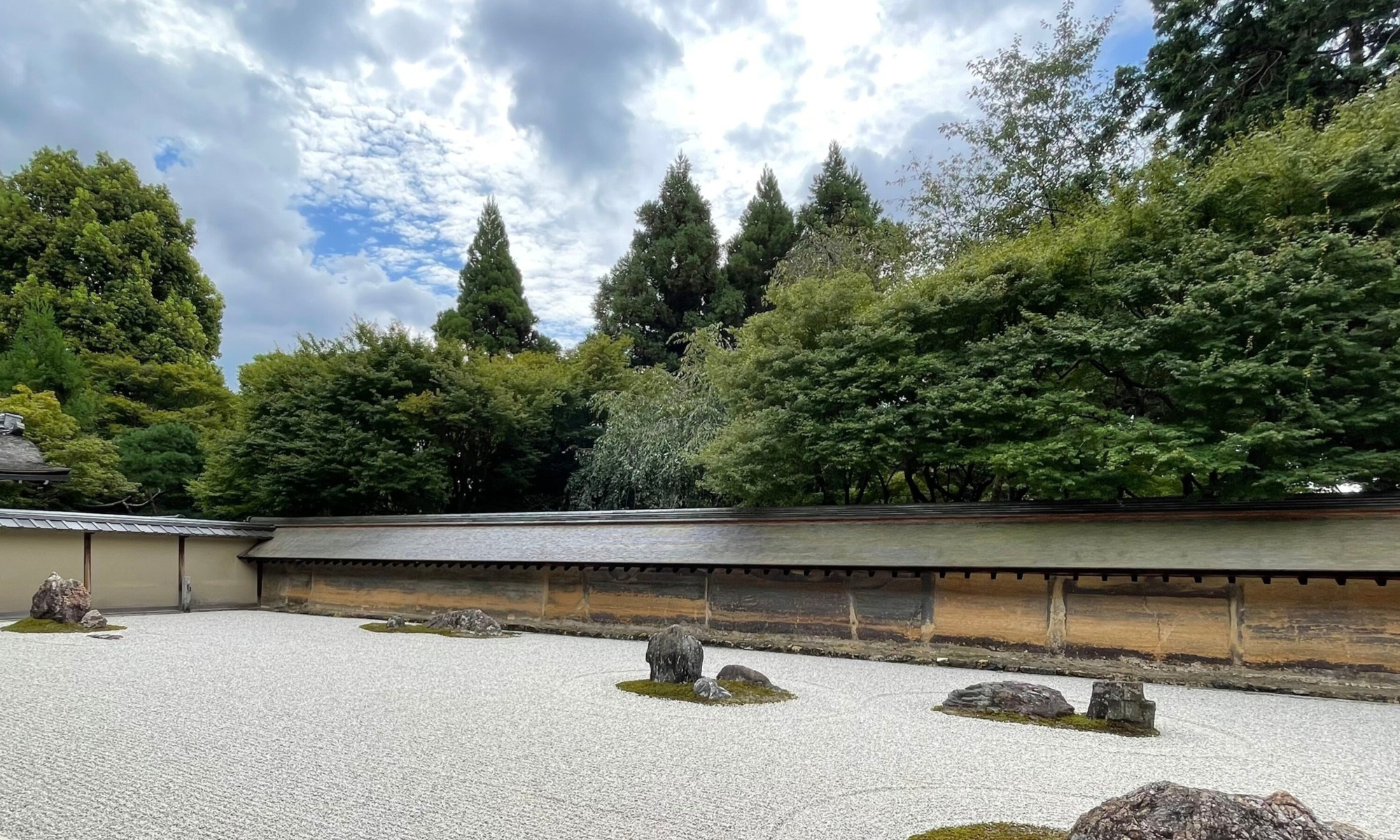
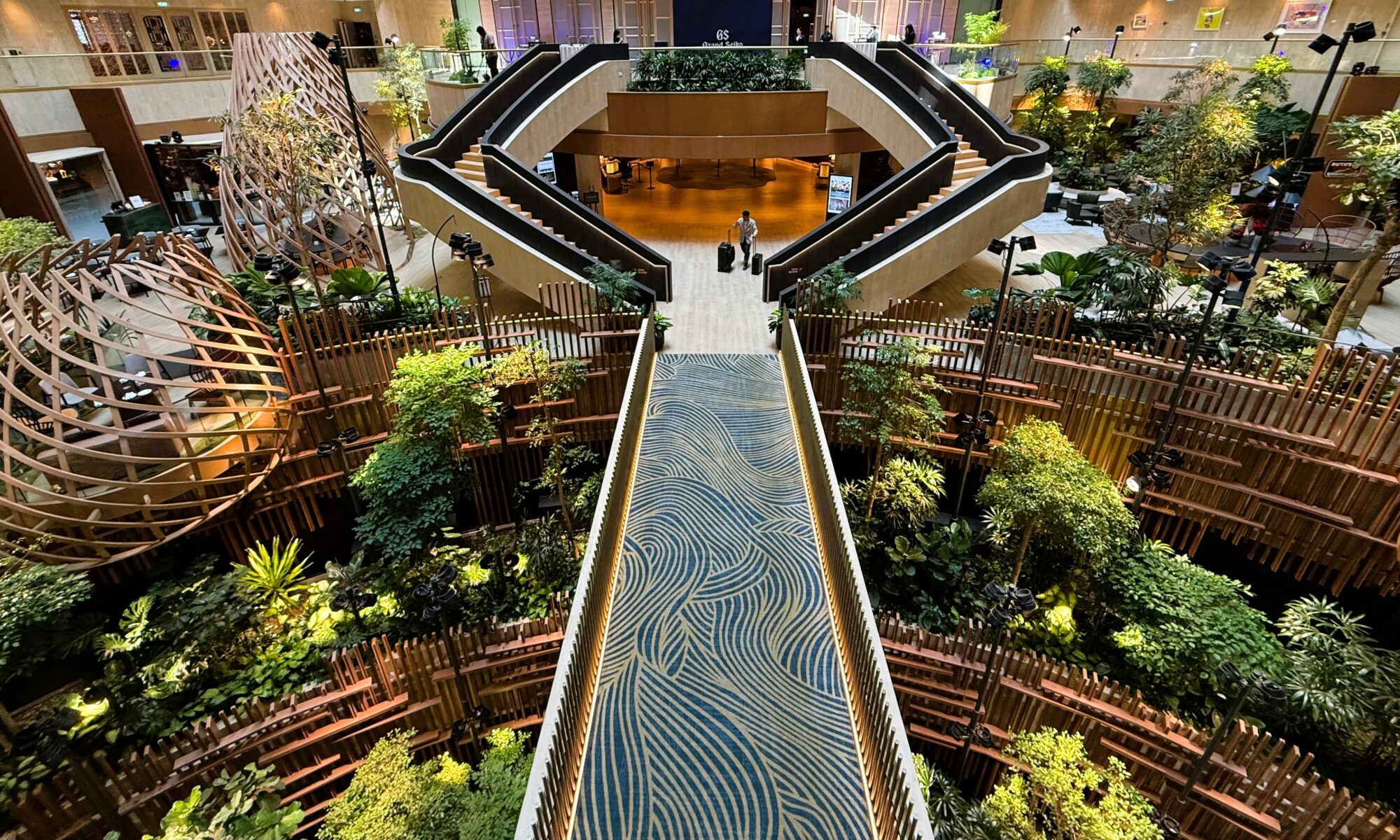
“Landskiphilia—Our Affective Preferences for Landscape Patterns” proposes that humans possess innate, evolutionarily shaped emotional preferences for certain landscape forms, spatial structures, and environmental patterns. Building on Gibson’s theory of affordances, the paper argues that landscapes are not perceived merely as scenery, but as survival environments that suggest possibilities for movement, shelter, orientation, refuge, prospect, memory, and meaning.
The framework connects and extends existing theories such as the Savannah Hypothesis, Information Processing Theory, Prospect-Refuge Theory, Jellicoe’s evolutionary landscape layers, and Biophilia. It recovers biophilia’s meaning beyond a simple “love of nature” to include fear, vigilance, reverence, and survival-oriented attention toward natural environments.
Landskiphilia identifies how humans instinctively read spatial cues through forms, edges, textures, voids, and compositions. Neuroscience, including research on place and grid cells, supports the idea that spatial perception and environmental mapping are biologically embedded. It also distinguishes between extracted patterns, which support immediate survival behaviours, and abstracted patterns, which become embedded in long-term memory, culture, and collective landscape preference.
Landskiphilia suggests that some landscape compositions endure because they historically supported settlement, defence, agriculture, hunting, movement, and social learning. These patterns influence spatial memory, psychological wellbeing, affective response, and even conceptual thinking.
For practice, the framework offers a stronger foundation for evidence-based, regenerative landscape design. It encourages landscape architects to integrate evolutionary psychology, neuroscience, environmental psychology, and cultural memory into design thinking. Ultimately, Landskiphilia positions landscape as both ecological and psychological infrastructure—capable of regenerating the nature around us and the human instincts within us.
For a more detailed summary of the original paper and its relevance in regenerative design, please click here.